
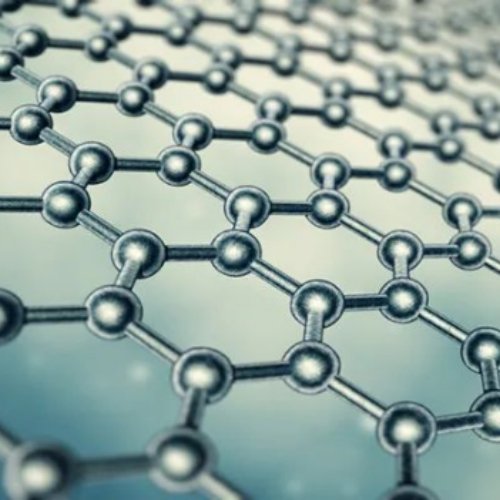
Lithium-Ion Battery Anode Structure – Graphite
Graphite plays a key role in lithium-ion battery. It serves as the main anode material. Its unique structure gives it many advantages. This is why graphite stands out among other materials.
Why Graphite? A Natural Winner
Graphite has a special layered crystal structure. Carbon atoms form strong hexagonal planes. Weak forces hold these layers together. This structure allows electrons to move freely. Free electrons make graphite highly conductive. It conducts electricity much better than non-metal minerals. Good conductivity improves battery charging speed. It also boosts discharging efficiency.
Graphite also shows great chemical stability. It resists acids, bases, and organic solvents at room temperature. This stability keeps the battery safe and long-lasting. Without it, unwanted reactions could occur. These reactions might damage the battery. Graphite prevents that.
The layered structure also provides flexibility. Layers can slide over each other. This sliding action gives graphite lubricating properties. More importantly, it helps the material handle volume changes. Lithium ions go in and out during charging. Graphite adjusts well to this motion. It reduces stress and extends battery life.
Comparing with Other Materials
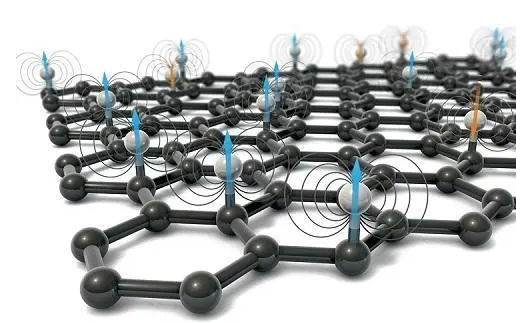
Other anode materials exist today. These include graphene, lithium titanate, and carbon microbeads. Graphite beats them on many important points.
Consider specific capacity first. This measures how many lithium ions a material stores. Graphite has a theoretical capacity of 372 mAh/g. Real products reach about 360 mAh/g. Lithium titanate only offers about 160 mAh/g. So graphite stores much more energy per gram. Electric vehicles benefit from this higher energy density. They can achieve longer driving ranges.
Cost also favors graphite. Natural graphite is abundant on Earth. Mining and processing it is simple. This keeps costs low. Synthetic graphite costs more to produce. But technology improvements continue to lower its price. In contrast, lithium titanate costs much more. Its manufacturing process is complex. This limits its widespread use.
Cycle life is another key point. Graphite maintains stable performance through thousands of charge cycles. Synthetic graphite can last for several thousand cycles. Graphene performs poorly on cycle life. It also has low first-cycle efficiency. Graphite wins on reliability.
Charging speed matters too. Graphite allows fast lithium-ion movement. It meets the daily needs of most devices. Smartphones and laptops charge quickly with graphite anodes. Many new materials exist. But graphite remains a solid choice for fast charging.
What Benefits Does Graphite Offer?
Graphite gives batteries high energy density. It allows excellent cycle stability. Structures remain stable after repeated charge cycles. This ensures long battery service life. You won’t need replacements often.
Charge and discharge efficiency is very high. Lithium ions move into graphite layers quickly during charging. They also move out quickly during discharging. This fast movement enables rapid power delivery.
Graphite prices stay affordable. The material has abundant global reserves. Both natural and synthetic sources exist. This wide availability keeps supply chains stable.
Manufacturing technology for graphite anodes is mature. Every production step has quality controls. These steps include material selection, processing, shaping, and modification. Battery makers also have mature processes. Their steps include electrode coating, winding, assembly, and sealing. All these steps match well with graphite anodes. This compatibility enables efficient mass production. It also improves battery performance and market competitiveness.
Final Thoughts
Graphite truly deserves the title of hidden hero. It quietly supports the lithium-ion battery industry. As consumers, we can support sustainable development. We should choose efficient and eco-friendly battery products. We also need to follow new battery technologies. Graphite will continue playing a vital role. It helps build a greener and more convenient future for us all.