
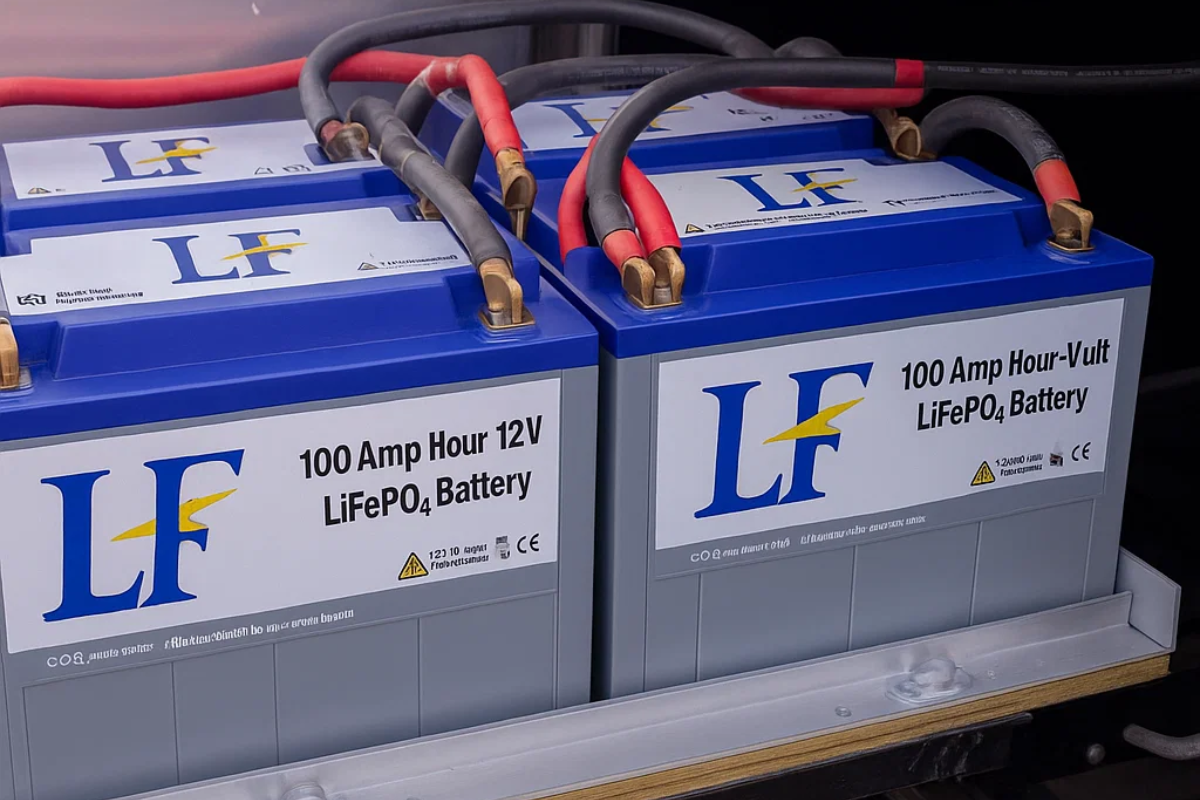
Batterries in series or parallel : A qucik guide to battery connection.
If you’ve ever needed to replace or connect batteries, you might have come across the terms “batteries in series or parallel.” At first glance, they sound a bit technical—but don’t worry. The idea is actually pretty simple once you picture it in everyday life.
Let’s break it down step by step.
Batteries in Series: Stacking for More Power
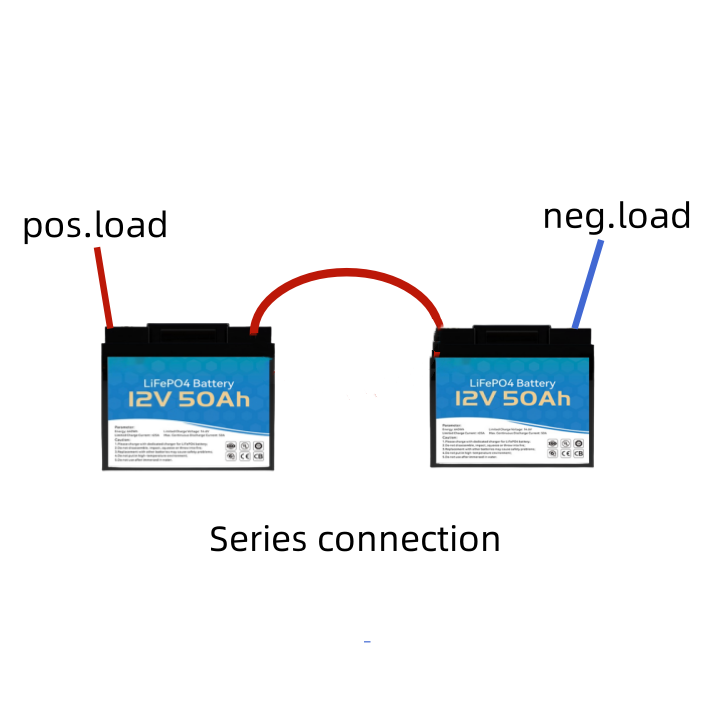
When you connect batteries in series, you’re basically lining them up end to end. The positive of one touches the negative of the next.
- The voltage adds up (like stacking them higher).
- The capacity (Ah) stays the same, so the running time doesn’t get longer.
Imagine buckets of water stacked on top of each other. Each bucket adds more “height” (voltage). The higher the stack, the more pressure you get.
Example:
Two 12V 100Ah batteries in series = 24V 100Ah. You’ve doubled the voltage, but the “energy storage” (capacity) hasn’t changed.
Why use it?
- Perfect for things that need more push, like e-bikes or big flashlights.
- Easy way to get higher voltage without changing the battery type.
The catch?
All the batteries have to be in good shape. If one is weaker, it drags the whole pack down.
Batteries in Parallel: Teaming Up for Longer Use
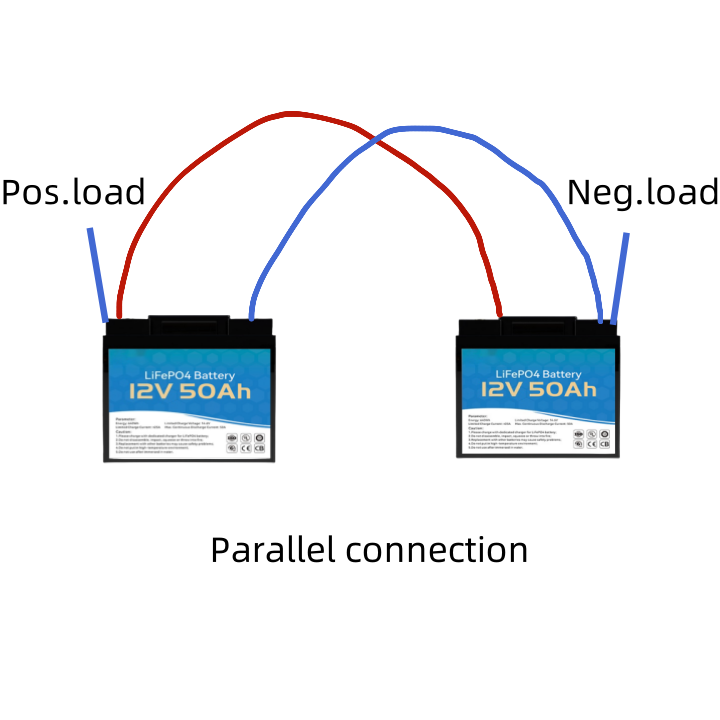
Now, with batteries in parallel, it’s a different story. You connect all the positives together and all the negatives together.
- The voltage stays the same as a single battery.
- The capacity adds up, which means more running time.
Think of buckets side by side. The water level (voltage) doesn’t change, but the total water (capacity) increases.
Example:
Two 12V 100Ah batteries in parallel = 12V 200Ah. Same voltage, double the energy storage.
Why use it?
- Great when you want things to last longer, like in power banks, RVs, or solar storage systems.
The catch?
If your batteries aren’t well-matched (different ages or capacities), one might end up doing more work than the other, which can shorten the system’s life.
Quick Comparison: Series vs. Parallel
| Feature | Batteries in Series | Batteries in Parallel |
|---|---|---|
| Voltage | Adds up (12V + 12V = 24V) | Stays the same as one battery |
| Capacity | Same as a single battery | Adds up (100Ah + 100Ah = 200Ah) |
| Best for | Devices needing higher voltage | Devices needing longer runtime |
| Downside | One weak battery affects all | Mismatched batteries cause issues |
Everyday Examples
You’ve probably already used these setups without realizing:
- Series:
- Flashlights with two or three AA batteries.
- Remote controls that use two batteries.
- E-bike battery packs built with many cells in series.
- Parallel:
- Power banks that last longer by combining cells.
- UPS systems for backup power.
- Some smartphones with dual parallel batteries.
- Solar storage systems where long-lasting energy is a must.
Solar Systems: Which Should You Choose?
If you’re setting up a solar storage battery system, the choice between series or parallel really depends on your needs:
- Go series if you need higher voltage to run a big inverter.
- Go parallel if you want more storage to keep things running at night or during cloudy weather.
And here’s a pro tip if you’re using multiple batteries, consider adding a Battery Management System (BMS). It helps keep everything balanced and protects your investment.
FAQs (Made Simple)
1. Is it dangerous to connect batteries in series or parallel?
Not really, as long as you connect them properly.
2. Which is riskier?
Both are safe if handled correctly. Things only get tricky with higher voltages (like above 50V).
3. Which setup is better?
Neither is “better” overall. It depends on what you need—higher voltage (series) or longer use time (parallel).
4. How do I choose?
- For RVs and boats: parallel is common.
- For high-power appliances (3000W+): series usually works better.
Final Thoughts
So, should you connect batteries in series or parallel? The answer is: it depends.
- Series gives you more voltage, great for powerful devices.
- Parallel gives you more time, perfect for steady, long-lasting energy.
Once you understand the basics, it’s easier to set up the right battery system—whether for solar storage, vehicles, or just everyday electronics.
LeFu: Your trusted lithium Battery supplier
As battery technology continues to evolve, Lefu in Shenzhen has been able to stay on top of it. We have continued to invest in energy storage products, upgrading our lab equipment, factory automation and hiring promising R&D talent to help our customers around the globe reduce their electricity bills and save energy, and our dedication to product innovation and customer focus has kept us at the forefront of the home solar industry.
More details about BESS solution get connected with below :