
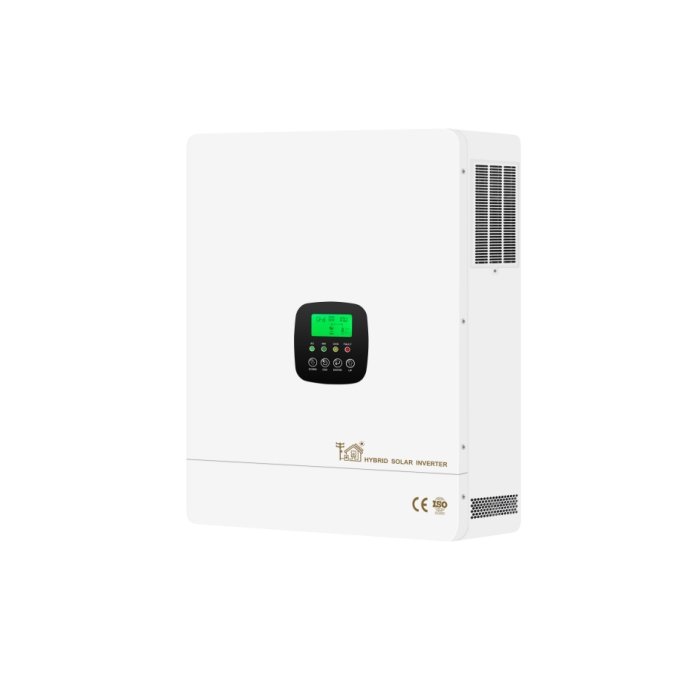
The Functions and Applications of solar Hybrid Inverters
The Functions of solar Hybrid Inverters
A solar hybrid inverter acts as the intelligent command center of a modern solar energy system. Its primary function is to convert direct current (DC) from solar panels into the alternating current (AC) that powers our homes and businesses. However, its true power lies in deep integration. Unlike standard inverters, it seamlessly connects and manages three distinct energy sources: on-site solar generation, battery storage systems, and the main electrical grid.
This multi-faceted capability consolidates the roles of traditional on-grid and off-grid inverters with a sophisticated battery controller into one streamlined unit. By doing so, it creates a cohesive and resilient home energy ecosystem. The system makes real-time decisions, intelligently directing energy flow to maximize efficiency, security, and economic benefit for the user, transforming simple power conversion into dynamic energy management.
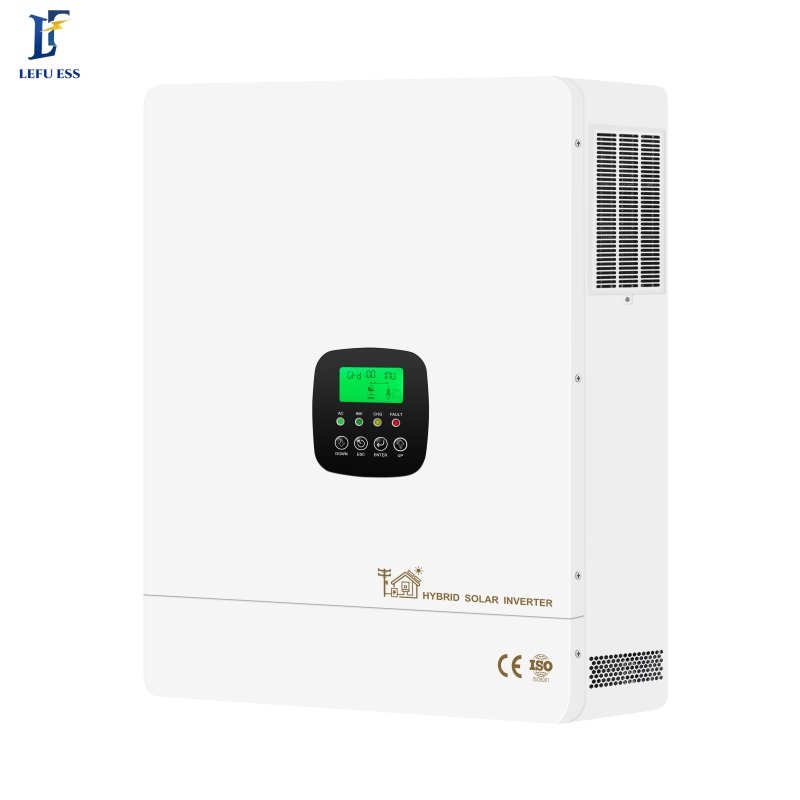
The Applications of solar Hybrid Inverters
The practical application of this solar hybrid inverter unfolds through three key operational modes. In the common on-grid mode, the inverter powers the home with solar energy and can sell any surplus back to the utility grid. During a power outage, it automatically switches to off-grid mode, disconnecting from the grid and powering critical loads solely from the battery to ensure continuity. The most advanced mode is the hybrid or self-consumption mode.
Here, the inverter prioritizes using solar energy for immediate household needs first. It then directs any excess power to charge the battery storage. Only after the batteries are full does it export remaining surplus to the grid. This logical sequence maximizes self-use of free solar energy, reduces electricity bills, and provides essential backup power, delivering both economic savings and peace of mind.
These capabilities make the solar hybrid inverter ideal for residential users seeking energy independence and cost savings, as well as for small commercial sites requiring reliable power in areas with grid instability. Its core technologies, like Maximum Power Point Tracking (MPPT), ensure solar panels operate at peak output.
When selecting a system, the choice between a high-efficiency DC-coupled design for new installations or a flexible AC-coupled setup for retrofitting an existing system is crucial. Ultimately, by intelligently managing energy generation, storage, and consumption, the hybrid inverter forms the indispensable core of an efficient, resilient, and modern personal energy system, putting control directly in the hands of the user.