Understanding EV Charging Standards: NACS, CCS2, CHAdeMO, and GBT 20234 Explained
As the global electric vehicle (EV) market accelerates, charging infrastructure must evolve just as quickly. Businesses investing in EV charging—especially those deploying chargers with integrated energy storage systems—need to navigate a landscape of competing charging standards.
This guide breaks down the four most important EV charging standards: NACS, CCS2, CHAdeMO, and GBT 20234. We’ll explore their technical features, regional use, and key benefits so you can make informed choices when planning or expanding your EV charging network.
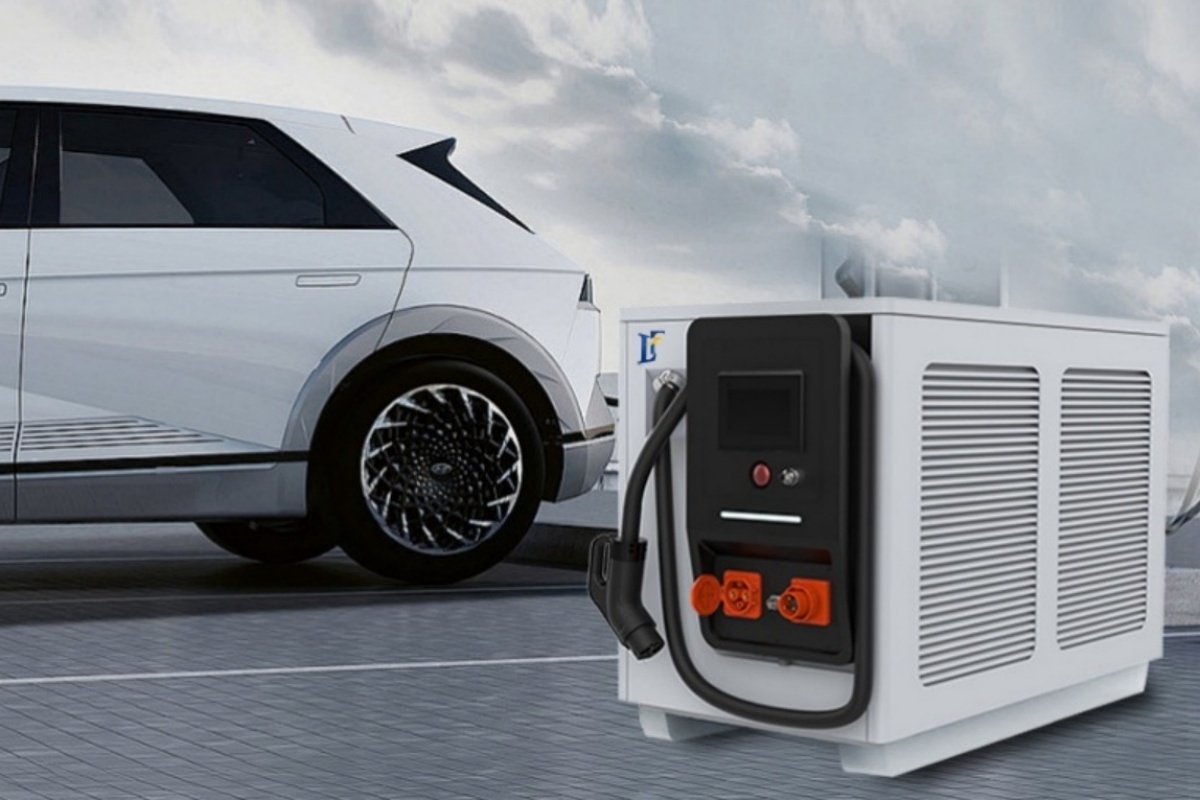
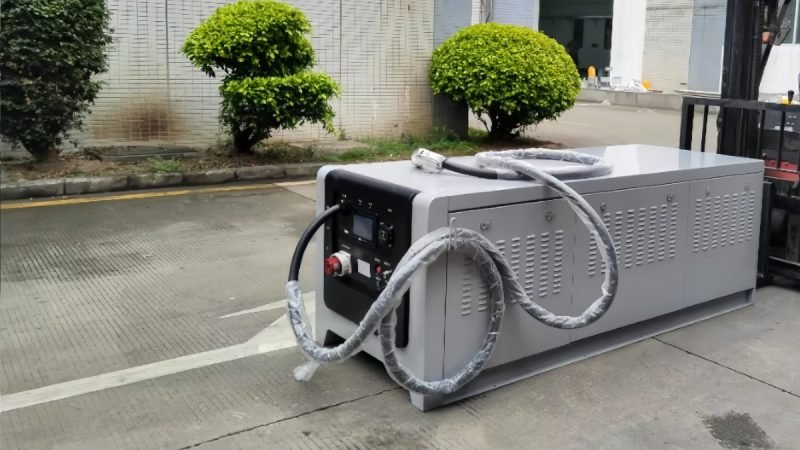
The Lefu EV chargers support all the NACS, CCS2, CHAdeMO and GBT20234 standards.
1. NACS (North American EV Charging Standard)
- Developed by: Tesla
- Region: North America
- Connector Type: Unified connector for both AC & DC charging
Key Features:
- Compact design that supports both Level 2 AC and DC fast charging
- High power output (up to 1MW theoretically; Superchargers deliver 250kW)
- Now an open standard adopted by major OEMs like Ford, GM, and Hyundai
Advantages:
- Sleek, space-saving form factor
- Simplified user experience
- Widespread deployment through Tesla’s network
Best for: North American charging sites looking to future-proof for Tesla and NACS-compatible EVs.
2. CCS2 (Combined Charging System Type 2)
- Developed by: CharIN (Europe)
- Region: Europe, Australia, parts of Asia
- Connector Type: Type 2 (Mennekes) + DC pins
Key Features:
- Combined AC and DC functionality
- Fast charging up to 350kW with liquid-cooled cables
- Official standard across the EU
Advantages:
- Broad compatibility across European markets
- Government and OEM backing ensures long-term viability
- Backward-compatible with existing AC infrastructure
Best for: Public and commercial charging deployments across Europe and international fleets.
3. CHAdeMO
- Developed by: CHAdeMO Association (Japan)
- Region: Japan, limited use in EU and North America
- Connector Type: DC-only, used alongside AC ports
Key Features:
- Mature bidirectional (V2G) support
- Max power up to 400kW (CHAdeMO 3.0)
- Early pioneer of DC fast charging
Advantages:
- Proven performance in grid-interactive scenarios
- Still supported by legacy and Japanese EVs like the Nissan Leaf
- Ideal for applications where V2G or distributed energy management is a priority
Best for: Fleets or projects focused on bidirectional charging or smart grid integration.
4. GBT 20234 (China National EV charging Standard)
- Developed by: China Electric Power Research Institute
- Region: China (mandatory)
- Connector Type: Separate connectors for AC and DC
Key Features:
- World’s most deployed charging standard (by volume)
- DC fast charging up to 250kW
- Unique communication protocol, not directly compatible with CCS/CHAdeMO
Advantages:
- Government-enforced national standard
- Fully backed by China’s energy and automotive sectors
- Increasing support for smart charging and interoperability
Best for: Companies operating in or exporting to China, or supporting Chinese-manufactured EVs.
Key Differences at a Glance
| Feature | NACS | CCS2 | CHAdeMO | GBT 20234 |
|---|---|---|---|---|
| Region | North America | Europe/Global | Japan | China |
| AC/DC Support | Both | Both | DC only | Separate AC/DC |
| Max Power | 250–1000kW | 350kW | 400kW | 250kW |
| Size | Compact | Bulkier | Large | Moderate |
| Bidirectional? | Potential | Limited | Mature | Supported |
What This Means for Charging Network Owners and Fleet Operators
If you’re managing or investing in EV charging sites, selecting the right charging standard—or offering multiple—is crucial to:
- Serve a wider range of vehicles (from Teslas to Chinese EVs)
- Support future growth without costly retrofits
- Enable fast charging capabilities with energy efficiency
- Meet the requirements of regional regulations or tender mandates
When combined with energy storage systems, smart charging becomes even more powerful. These systems can:
- Reduce peak demand charges
- Enable off-grid or backup operation
- Offer energy arbitrage and grid services
This makes a compelling case for solutions that unify modular charging with battery storage, helping you deploy faster, run smarter, and reduce total cost of ownership.
Final Thoughts
As EV adoption accelerates globally, choosing the right charging standard—or adopting a multi-standard approach—can future-proof your investment and maximize customer satisfaction.
Looking for a modular, intelligent EV charger with integrated energy storage? Our solutions are designed for flexibility, speed of deployment, and long-term reliability.
Get in touch to explore how we can support your project.